Brooks & Hart Pest Solutions
Centipede & Millipede Control
Reduce house centipedes and millipede invasions by drying damp areas, treating foundations, sealing entry points, and cutting the insects centipedes hunt.
(800) 555-0198Call a local specialist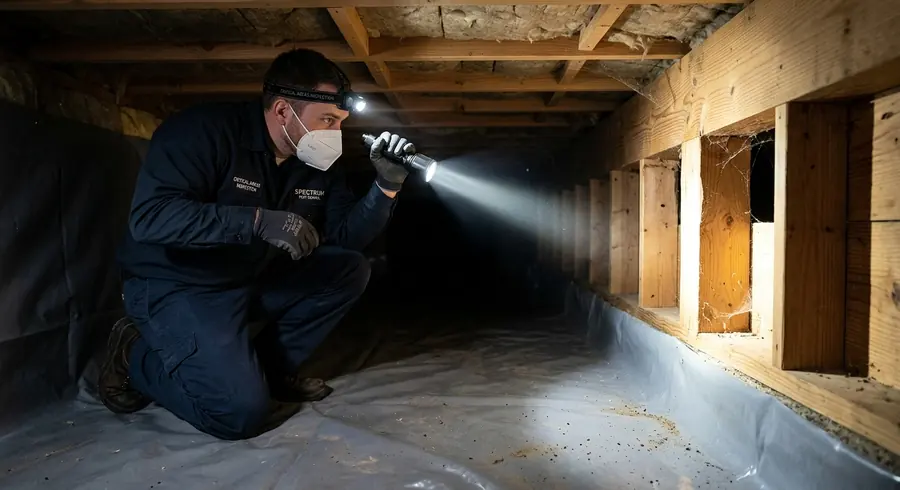
Centipede and millipede control near you fixes damp foundations and the insects house centipedes hunt. Millipede control after heavy rain and house centipede treatment work best with perimeter barriers plus moisture changes.
Centipede and millipede control near you
Centipede and millipede control usually includes:
- Crawl space and foundation inspection
- Exterior perimeter treatments
- Interior baseboard work when needed
- Prey reduction when house centipedes dominate
- Drainage, dehumidifier, and mulch guidance
- Monitoring traps along walls
House centipedes mean other bugs
House centipedes mean other bugs are often present (silverfish, spiders, roaches). Read house centipedes mean other bugs and consider silverfish control or spider control.
Millipedes invading after heavy rain
Millipedes invading after heavy rain are classic occasional invaders—see millipedes after heavy rain and related earwig control after rain.
Related resources
Common signs
- House centipedes on walls or floors at night
- Millipedes indoors after storms
- Damp crawl spaces or mulch against foundations
- Other insects present that feed centipedes
What’s usually included
- Perimeter treatments timed for invasion seasons
- Prey-insect reduction when house centipedes dominate
- Crawl space and moisture coaching
- Exclusion for foundation and door gaps
- Monitoring to confirm pressure is dropping
FAQ
Do house centipedes mean I have a bigger pest problem?
Often yes—they hunt other insects. A good tech looks for the prey base (silverfish, spiders, roaches, etc.), not only the centipedes.
How do I stop millipede invasions?
Dry the perimeter, move mulch back, improve drainage, seal gaps, and use a foundation barrier treatment before/during wet seasons.