Ants ·
Why Ant Spray Makes Ants Worse Instead of Getting Rid of Them
Store-bought spray kills the ants you can see and hides the ones you cannot. Here is why ant spray makes ants worse and what actually ends the trail.
By Brooks & Hart Pest Solutions Editorial
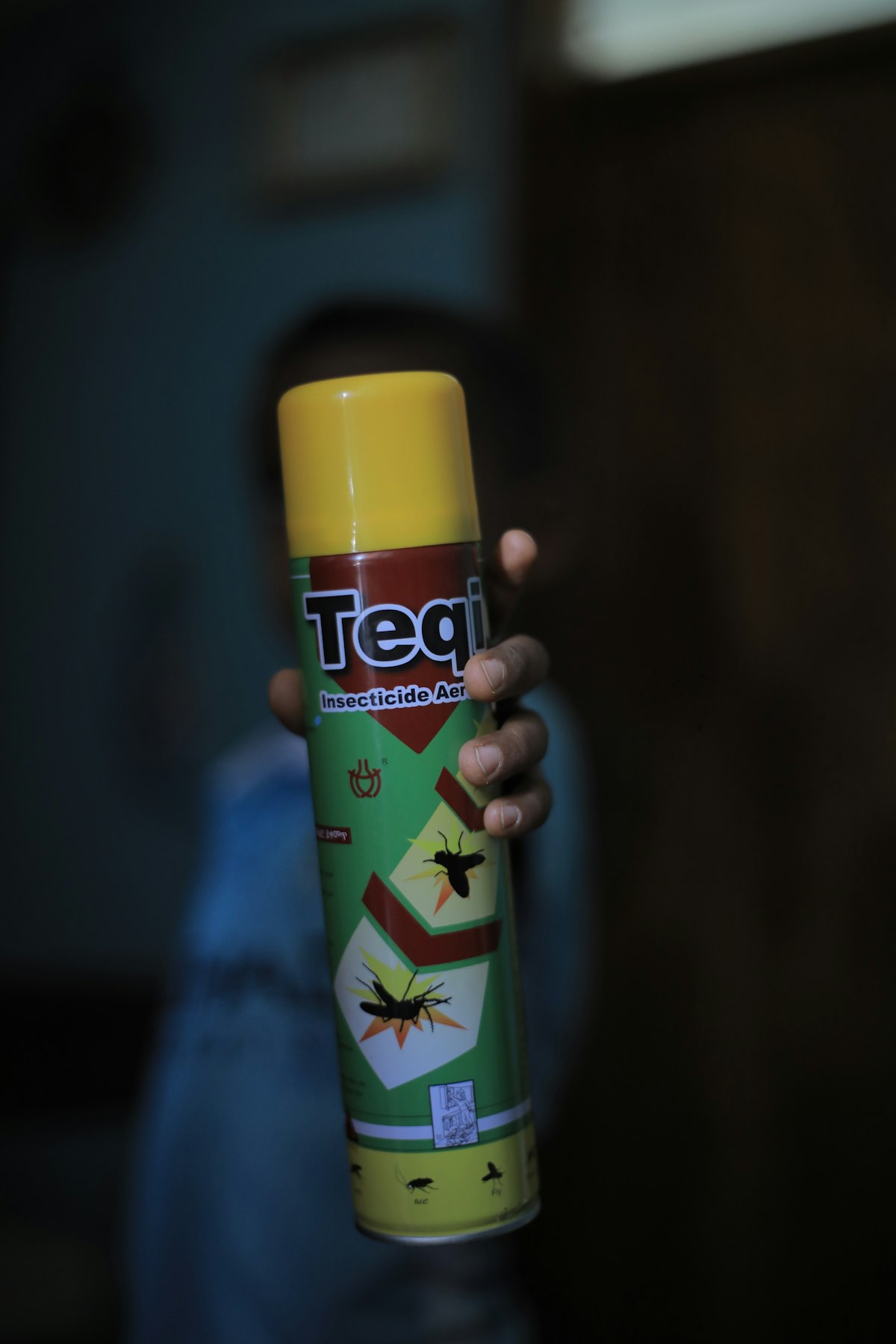
You see a line of ants marching across the kitchen counter, so you grab the can under the sink and spray. The ants curl up and stop moving within seconds. It feels like a win. Then three days later the trail is back, only now it comes in through a different spot, and there seem to be more of them than before. This is one of the most common frustrations we hear about, and it is not bad luck. Understanding why ant spray makes ants worse comes down to one simple fact: the ants you see are a tiny fraction of the problem, and the spray never touches the part that matters. Homeowners comparing ant spray vs bait usually want a clear next step, not another can of spray.
For hands-on help, see our professional ant control near you.
Why ant spray makes ants worse: what homeowners need to know
A trail of ants on your counter is made up of foragers. These are worker ants sent out to find food and carry it home. In most common household species, foragers make up only about five to ten percent of the colony. The queen, the eggs, the larvae, and the vast majority of workers stay hidden in the nest, which might be under your slab, inside a wall void, beneath a patio stone, or in the mulch along your foundation.
When you kill the foragers on the counter, you remove the scouts. You do not remove the egg-laying queen or the thousands of workers waiting behind her. The colony simply sends replacements. That is why a spray can feel effective for two days and useless by the end of the week.
Ant spray vs bait
Most consumer ant sprays are repellent products. That word matters. Repellent means ants can sense the treated surface and will actively steer around it. After you spray a baseboard or a window sill, the surviving ants start mapping new routes that avoid the chemical smell entirely.
- The original trail disappears, so it looks like the treatment worked
- New foragers find a second entry point around the treated zone
- Ants that would have carried bait back to the nest are now dead or driven off
- The colony keeps growing while you believe the problem is shrinking
The end result is more entry points than you started with, spread across more rooms. The infestation did not grow because the spray failed to kill ants. It spread because the spray worked only on contact and pushed the rest of the colony outward.
Kitchen ant spray problems
Some ant species react to stress by splitting. Odorous house ants and pavement ants, two of the most common kitchen invaders, live in colonies that can contain more than one queen. When workers detect a chemical threat near the nest, the colony may respond by budding, which means a group of workers escorts a queen away from the danger and starts a satellite nest somewhere safer.
This is the worst possible outcome for a homeowner. One nest under the front step becomes three smaller nests: one behind the dishwasher, one in a bathroom wall void, and one under the back patio. Each satellite produces its own foraging trails. People often tell us they sprayed for a month and ended up with ants in rooms that never had them before. Budding is usually the reason.
Bait works because ants feed each other
Professional ant control leans on bait for one reason: ants share food. A worker that finds a bait station carries the liquid or gel back to the nest and passes it mouth to mouth to other workers, to the brood, and eventually to the queen. This sharing behavior is called trophallaxis, and it is the delivery system that gets treatment into a nest you cannot see or reach.
A good bait is deliberately slow. If it killed the forager on the spot, it would behave exactly like the spray in your cabinet. Instead, the active ingredient is dosed low enough that the worker stays alive long enough to make the trip home and share the meal several times over.
- Bait travels to the nest instead of stopping at the baseboard
- It reaches the queen, which is the only way to end egg production
- It does not repel, so ants keep recruiting more workers to the station
- One bait placement can affect thousands of ants over a week or two
Why you should stop spraying once bait is down
This is the part homeowners struggle with most. After bait is placed, you will often see more ants for a day or two, not fewer. That heavy activity is exactly what you want, because it means workers are recruiting nest mates to a food source you control.
- Do not spray the trail, even when it looks worse
- Do not wipe the ant trail with cleaner near bait placements
- Do not move or clean the bait stations
- Do keep other food sources sealed so the bait is the best meal available
Spraying at this stage cuts the supply line and forces the treatment to start over. We have seen good bait programs stall for weeks because someone got impatient with a single trail on the counter.
How long it should take
Small trails often quiet down in three to five days. A well-established colony under a slab or in an exterior wall can take two to three weeks to collapse, and very large or multi-queen populations sometimes need a second round of bait plus targeted exterior work. A professional treatment usually pairs interior bait with a non-repellent exterior perimeter application and physical exclusion at obvious entry points, so new colonies from the yard do not simply replace the one you eliminated.
When it is worth calling a pro
If you have sprayed repeatedly and the trails keep moving, the colony has probably already budded and self-treatment is likely to keep spreading it. A licensed technician can identify the species, which determines whether the ants want sugar or protein, find the nest or at least the direction of travel, and use products that homeowners cannot buy over the counter. Ask whether the company is licensed and insured, and ask how their products are placed around pets and children before work begins.
What good ant service actually looks like
A proper ant program has three parts, and spray-only service has one. First, correct identification, because a sugar-feeding odorous house ant and a protein-feeding pavement ant respond to different bait formulations. Second, interior bait placed along the actual trails, in the cabinets, cracks, and voids where foragers travel, using enough placements that the whole colony can feed at once. Third, exterior work: a non-repellent perimeter application that ants pick up without avoiding, plus physical exclusion at the gaps around hose bibs, utility lines, dryer vents, and door thresholds.
Multiple visits are normal for ants and should not be treated as a sign the first visit failed. Colonies that have already been sprayed several times are often spread into satellite nests, and each nest has to be reached separately. Ask how many follow-up visits are included, what happens if activity returns, and whether the company is licensed and insured before any product goes down in your kitchen.
The bottom line
Ant spray gives you a clean counter and a growing problem. It kills the small visible group, repels the rest into new pathways, and can trigger a colony to split into several nests. Bait does the opposite. It is slow, it looks unimpressive at first, and it quietly reaches the queen that produces every ant you have been fighting. If you want the trail gone for good rather than gone until Thursday, put the spray can down and let the ants carry the treatment home for you.
Related why ant spray makes ants worse resources
If you are dealing with why ant spray makes ants worse, these pages go deeper: