Ants ·
Outdoor Perimeter Treatment for Ants, Explained
Wondering how professionals actually stop ants outside? Here is outdoor perimeter treatment for ants explained in plain language.
By Brooks & Hart Pest Solutions Editorial
Outdoor ant perimeter treatment explained is one of the searches homeowners make when DIY fixes stop working. If ants keep marching along your baseboards despite indoor cleaning and spot treatments, the real solution is often outside, not in the kitchen. Outdoor perimeter treatment for ants explained simply: it targets the paths and nesting areas ants use around your home's foundation, stopping them before they ever find a way inside.
For hands-on help, see our ant control services.
Outdoor ant perimeter treatment explained: what homeowners need to know
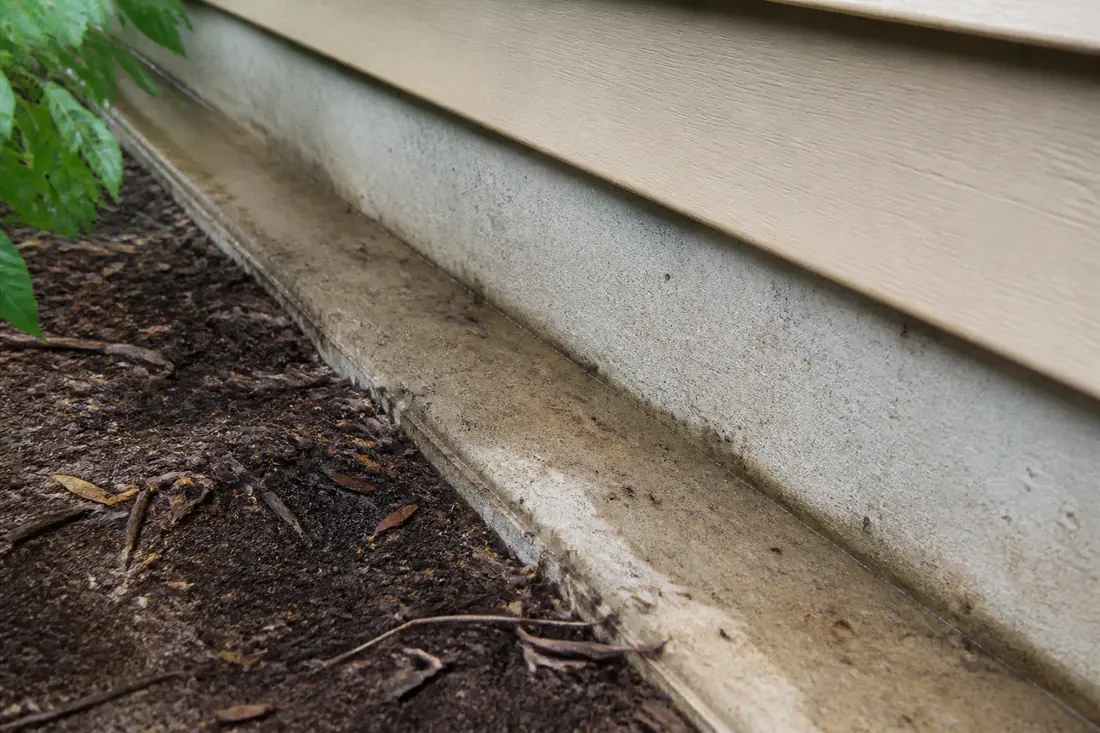
Rather than spraying only where ants are visible indoors, perimeter treatment creates a barrier around the outside of the home, typically along the foundation, around door and window frames, and near common entry points like utility lines and vents. The goal is to intercept ants as they approach the structure, rather than reacting after they are already inside.
Foundation ant barrier treatment
A typical outdoor perimeter treatment for ants includes several components applied around the base of the home.
- A liquid barrier treatment sprayed along the foundation, usually two to three feet up the wall and two to three feet out from the base
- Granular bait or treatment applied to lawn areas, garden beds, or mulch where ant activity is visible
- Spot treatment of visible ant mounds or nests near the foundation
- Sealing or treating cracks around windows, doors, and utility penetrations where ants commonly enter
Exterior ant perimeter spray
Indoor sprays kill ants you can see, but they do nothing to address the colony itself, which usually lives outside in soil, under pavement, or inside a rotting stump or woodpile. Outdoor perimeter treatment for ants disrupts the trails scout ants use to find food sources, and baiting components allow workers to carry the product back to the colony, reducing the population at its source rather than just the visible trail.
What to expect during and after treatment
- Technicians usually treat the exterior first, then check for any active indoor trails
- Liquid treatments typically need to dry before pets or children walk across treated areas
- Some ant activity may continue for a few days as the colony is affected, especially with bait-based approaches
- Follow-up visits are common, since ant colonies can be large and may need more than one treatment cycle
Seasonal timing matters
Ants are most active in warm weather, so perimeter treatments are often most effective when applied in spring before colonies reach peak size, and again as needed through summer and early fall. Many pest control plans include quarterly outdoor treatments to maintain the barrier as weather washes it away and new ant activity emerges.
Why species identification changes the approach
Not every ant problem responds to the same outdoor perimeter treatment. Carpenter ants nest in damp or decaying wood and often require locating and treating the nest directly, sometimes inside a tree stump, woodpile, or damaged structural wood, in addition to a perimeter barrier. Pavement ants nest under sidewalks, driveways, and foundation slabs and typically respond well to granular bait applied along cracks and expansion joints. Odorous house ants and sugar ants tend to form large, spread-out colonies and often need broader baiting across the yard. A technician identifying the species correctly before treatment is one of the most important factors in whether it works the first time.
How weather affects treatment scheduling
Rain shortly after a liquid perimeter treatment can wash away the barrier before it has time to bind to the soil and foundation surface, reducing its effectiveness. Most companies check the forecast and avoid scheduling liquid treatments right before significant rainfall, though granular baits are sometimes an exception since light rain can help activate certain bait formulations.
What homeowners often get wrong about outdoor treatment
A common mistake is power washing or heavily watering the foundation shortly after a liquid perimeter treatment, which can strip away much of the barrier before it has had time to work into the soil. Another common mistake is treating only the front of the house facing the street while ignoring side yards and the back foundation, leaving an easy alternate route for ants. A complete perimeter treatment covers the entire foundation, not just the most visible sections.
What homeowners can do to support the treatment
- Trim vegetation and mulch back from the foundation so the barrier is not disrupted
- Avoid watering directly along the treated foundation line more than necessary
- Keep outdoor trash and pet food sealed to reduce food sources drawing ants back
- Report any new trails or nests to your technician between scheduled visits
Tracking results over a full season
Because ant activity naturally rises and falls with the seasons, it is worth tracking results over several months rather than judging a single treatment after just a week or two. Keep a rough note of where you saw trails before treatment and check those same spots periodically afterward. A well-executed outdoor perimeter treatment for ants should show a clear, sustained drop in indoor sightings over the following month, even if a few scout ants occasionally still appear near the very edge of the treated zone.
Frequently asked questions
**How long does an outdoor perimeter treatment last?** Liquid barrier treatments typically remain effective for one to three months depending on the product and weather conditions, which is why quarterly service plans are common.
**Will outdoor treatment eliminate ants completely?** It significantly reduces ant activity and access to the home, but eliminating every ant colony in a neighborhood is not realistic. The goal is to make your specific property a much less appealing and accessible target compared to surrounding areas.
When to call a professional
If ants keep returning indoors despite cleaning and store-bought sprays, or if you notice large outdoor ant mounds near your foundation, a licensed technician can apply a proper outdoor perimeter treatment matched to the ant species involved, since carpenter ants, pavement ants, and sugar ants often need different bait formulations and treatment locations to fully resolve the problem.
The bottom line
An outdoor ant perimeter treatment works by putting a treated band where ants actually travel, along the foundation, under the first course of siding, around doors and windows, and at the utility penetrations they follow inside. Non-repellent products matter here, because ants pick up the material and carry it back rather than sensing it and routing around it. Timing matters too, since a heavy rain right after application or a treatment applied during a cold snap will underperform. Support the work by pulling mulch back from the siding, extending downspouts, trimming branches off the roof and walls, and keeping firewood away from the house. Perimeter treatment plus those small landscaping changes is what keeps trails from returning indoors.
Related outdoor ant perimeter treatment explained resources
If you are dealing with outdoor ant perimeter treatment explained, these pages go deeper: