Spiders ·
The Truth About Spider Infestations
One spider is not always a crisis. Repeated webs and egg sacs usually mean insects—and moisture—need attention.
By Brooks & Hart Pest Solutions Editorial
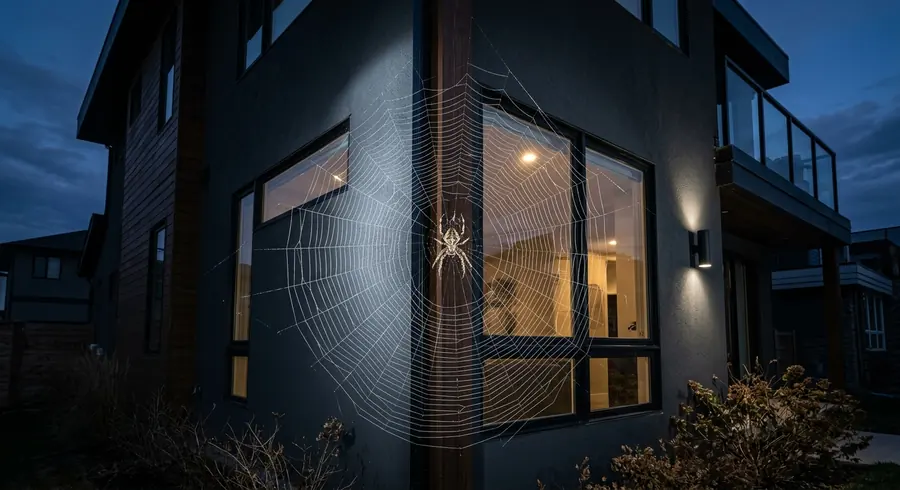
The truth about spider infestations is one of the searches homeowners make when DIY fixes stop working. Homeowners often panic at a single spider. In most cases, spiders are predators following insects into garages, basements, and eaves.
For hands-on help, see our spider control services.
The truth about spider infestations: what homeowners need to know
Fact: Many spiders are solitary hunters. A true problem looks like multiple webs, egg sacs, or frequent indoor sightings over weeks.
Spider infestation myths
Fact: If flying insects swarm porch lights and foundation gaps stay open, new spiders will replace the ones you kill. Exterior treatment and exclusion matter more than fogging living rooms.
When spiders mean other pests
- Webs rebuild weekly in the same corners
- You find egg sacs in storage boxes
- Insect activity outdoors is high (moths, flies, beetles)
- Damp basements or crawl spaces never dry out
Practical prevention
Reduce night lighting where possible, seal door sweeps, clear clutter, and vacuum webs (empty the vacuum outdoors). If medically significant species are a concern in your region, have a technician identify what you are seeing instead of guessing.
Professional spider programs typically combine exterior barriers, web removal, and advice on moisture and clutter—so spiders have fewer insects to hunt near your home.
What homeowners get wrong
People often treat the symptom they can see and skip the condition that keeps pests coming. Trails, webs, droppings, and wings are clues. The fix usually includes identification, the right method for that pest, and a follow-up when eggs or new foragers appear later.
Choosing help without the sales fog
Ask whether the technician is licensed, what products they will use around kids and pets, how many visits are planned, and what the guarantee covers if activity continues. Clear answers beat the cheapest one-visit promise.
Practical next step
If activity returns after careful cleaning and basic DIY, call a local licensed technician. Describe what you see, where you see it, and when it started. That information shortens the inspection and gets treatment aimed at the real source faster.
Digging into the real problem
Most household pest calls start the same way: someone sees a trail, a web, a dropping, or a wing and wants it gone today. That urgency is understandable. The mistake is treating only the insect in front of you. Ants on a counter are foragers. Spiders in a basement are often hunting other insects. Mice in an attic entered through a gap you have not sealed. Termite wings on a sill mean a colony nearby may already be feeding on wood you cannot see.
A durable fix usually has three layers. First, identify what you are dealing with as accurately as you can. Second, choose a method that matches biology—bait for many ants and German cockroaches, exclusion for rodents, moisture control for silverfish and millipedes, soil treatment or bait systems for subterranean termites. Third, plan for follow-up when eggs hatch or new foragers arrive.
Pain points we hear again and again
- Spray that feels productive but scatters ants or roaches into new rooms
- One-visit promises for German cockroaches that ignore protected egg cases
- Rodent poison that creates odor in walls because nothing was sealed
- Termite quotes that hide monitoring fees or weak warranty language
- Treatments that ignore kids, pets, and re-entry times
Those frustrations show up constantly in homeowner discussions. They are not picky preferences. They are the difference between temporary quiet and a problem that keeps billing you in time and stress.
What good providers tend to do
Licensed technicians explain the plan in plain English. They can show a license number you can verify. They talk about products and pet precautions before they spray. They tell you how many visits are likely and what “success” looks like on a sticky monitor or a dry attic. They put guarantees in writing.
If you are comparing companies, ask the same questions to each one and write down the answers. The best choice is rarely the loudest guarantee. It is the clearest scope matched to the pest you actually have.
A simple homeowner checklist before the visit
- Note where and when you see activity
- Take clear photos if you can do so safely
- Avoid bug bombs and heavy DIY spray the day before a pro arrives unless they say otherwise
- Secure food, empty cabinets if asked, and plan pet placement during treatment
- Ask for a follow-up window in writing
Brooks & Hart connects you with local licensed help so you can move from guessing to a concrete plan. Call with your ZIP and a short description of what you are seeing. That is enough to start.
Digging into the real problem
Most household pest calls start the same way: someone sees a trail, a web, a dropping, or a wing and wants it gone today. That urgency is understandable. The mistake is treating only the insect in front of you. Ants on a counter are foragers. Spiders in a basement are often hunting other insects. Mice in an attic entered through a gap you have not sealed. Termite wings on a sill mean a colony nearby may already be feeding on wood you cannot see.
A durable fix usually has three layers. First, identify what you are dealing with as accurately as you can. Second, choose a method that matches biology—bait for many ants and German cockroaches, exclusion for rodents, moisture control for silverfish and millipedes, soil treatment or bait systems for subterranean termites. Third, plan for follow-up when eggs hatch or new foragers arrive.
Pain points we hear again and again
- Spray that feels productive but scatters ants or roaches into new rooms
- One-visit promises for German cockroaches that ignore protected egg cases
- Rodent poison that creates odor in walls because nothing was sealed
- Termite quotes that hide monitoring fees or weak warranty language
- Treatments that ignore kids, pets, and re-entry times
Those frustrations show up constantly in homeowner discussions. They are not picky preferences. They are the difference between temporary quiet and a problem that keeps billing you in time and stress.
What good providers tend to do
Licensed technicians explain the plan in plain English. They can show a license number you can verify. They talk about products and pet precautions before they spray. They tell you how many visits are likely and what “success” looks like on a sticky monitor or a dry attic. They put guarantees in writing.
If you are comparing companies, ask the same questions to each one and write down the answers. The best choice is rarely the loudest guarantee. It is the clearest scope matched to the pest you actually have.
A simple homeowner checklist before the visit
- Note where and when you see activity
- Take clear photos if you can do so safely
- Avoid bug bombs and heavy DIY spray the day before a pro arrives unless they say otherwise
- Secure food, empty cabinets if asked, and plan pet placement during treatment
- Ask for a follow-up window in writing
Brooks & Hart connects you with local licensed help so you can move from guessing to a concrete plan. Call with your ZIP and a short description of what you are seeing. That is enough to start.
Related the truth about spider infestations resources
If you are dealing with the truth about spider infestations, these pages go deeper: