Spiders ·
Does One Spider in the House Mean an Infestation?
One spider indoors is usually just one spider. Learn when a single sighting is normal, when it signals a real problem, and what to do about it.
By Brooks & Hart Pest Solutions Editorial
Does one spider mean an infestation is one of the searches homeowners make when DIY fixes stop working. A spider walks across the living room floor at nine at night and suddenly the whole evening is about spiders. The internet will tell you that where there is one there are hundreds. That claim is repeated constantly and it is mostly wrong. Understanding whether one spider in the house means an infestation helps you react proportionally instead of tearing apart the basement over a single wandering male.
For hands-on help, see our spider control and prevention.
Does one spider mean an infestation: what homeowners need to know
Spiders are not social insects. Ants and roaches live in colonies with shared nests and coordinated foraging. The overwhelming majority of spiders are solitary hunters that avoid each other, compete for territory, and in some cases eat one another. There is no colony sending them into your house in waves.
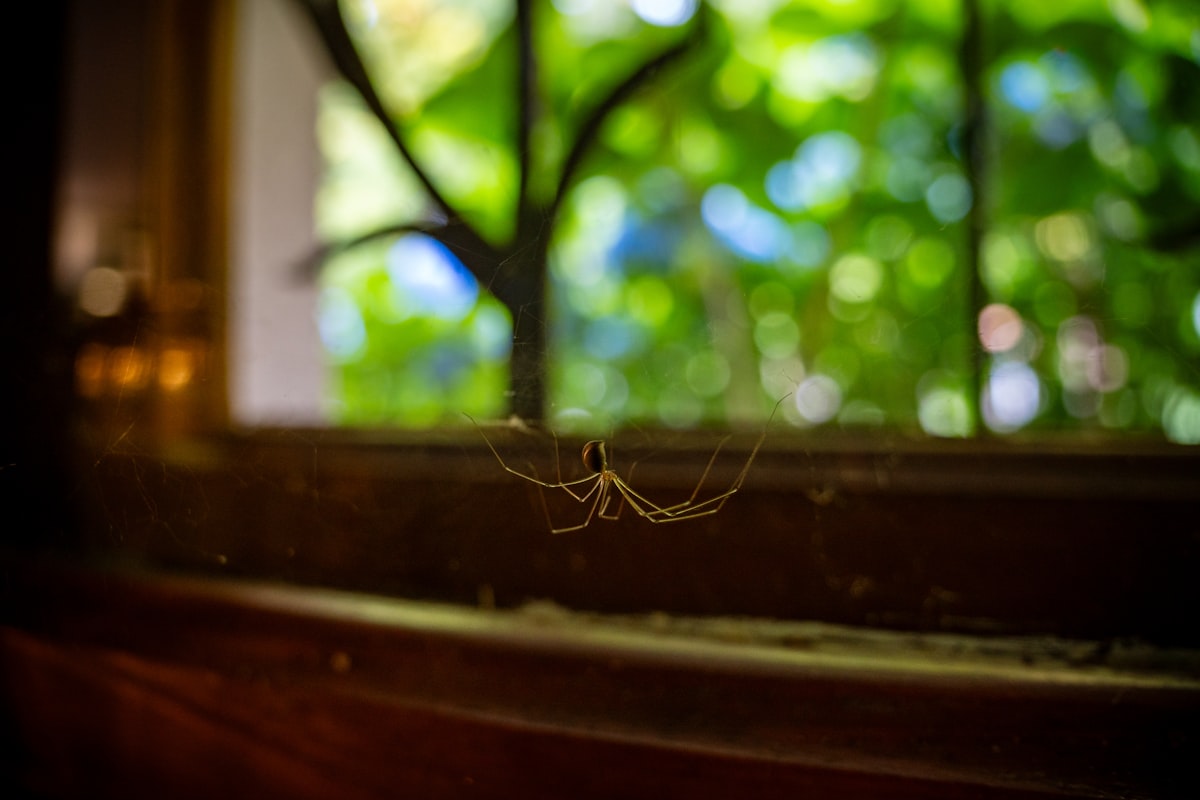
The spider you saw crossing the floor was almost certainly a lone animal that either wandered in through a gap or has been living quietly in a corner of your home for weeks without you noticing. A single sighting is normal in every house, in every season, in every climate.
One spider infestation myth
Spider sightings cluster, which fuels the infestation myth.
- Late summer and fall bring mature males out to wander in search of mates
- Cooler weather pushes prey insects toward warm structures, and spiders follow food
- Heavy rain drives ground-dwelling species out of soil and mulch
- Cleaning, moving boxes, or finishing a basement disturbs long-established hiding spots
None of these mean reproduction is happening inside your walls. They mean spiders move around, and you happened to be in the room.
When spiders mean a real problem
There is a difference between one spider and a genuine population. Watch for these instead of counting individual sightings.
- Multiple fresh webs appearing in the same area every week, especially in corners and window frames
- Egg sacs, which look like small silk balls or papery sacs tucked into corners, under furniture, or in storage
- Spiders of noticeably different sizes in the same room, which suggests a breeding population
- Many spiders in one specific zone such as a crawl space, garage, or unfinished basement
- A heavy insect population indoors, since spiders only stay where there is food
That last point is the important one. Spiders are a symptom. A house with many spiders almost always has a supply of flies, gnats, moths, crickets, or other prey drawing them in and keeping them there.
What a spider population is really telling you
When we inspect a home with a persistent spider issue, we spend most of the visit looking at things that have nothing to do with spiders.
- Exterior lighting that attracts clouds of flying insects at night
- Moisture in a crawl space or basement supporting crickets and silverfish
- Gaps under doors and around utility penetrations letting prey insects in
- Vegetation and mulch pressed against the foundation
- Cluttered storage that provides undisturbed harborage
Kill the spiders and leave the food supply and the entry points, and new spiders replace them within a few weeks. That is why spray-only spider treatments so often disappoint. Contact spray kills the spider it touches and offers very little residual value on the irregular surfaces spiders actually walk.
Exclusion beats chemicals for spiders
Spiders have long legs and tend to walk on the tips, which means they contact treated surfaces less than crawling insects do. That is exactly why physical work matters more here than in most pest categories.
- Install or replace door sweeps and repair torn window screens
- Seal gaps around dryer vents, hose bibs, cable and gas penetrations
- Caulk cracks in siding, trim, and around window frames
- Add or repair crawl space and foundation vent screening
- Switch exterior bulbs to warm or yellow tone lighting that attracts fewer insects
- Move firewood, leaf piles, and stored lumber away from the walls
- Vacuum webs and egg sacs regularly, which removes the next generation directly
Vacuuming is genuinely effective and often overlooked. Removing webs and egg sacs weekly for a month will do more than a random can of spray.
The two spiders worth taking seriously
Most house spiders are harmless and even useful, but medically significant species deserve caution. Black widows favor undisturbed low spots such as garages, crawl spaces, meter boxes, and stacked materials. Brown recluse prefer dark undisturbed storage, closets, and cardboard. If you suspect either, especially where children or pets play, that is a reasonable time to call a licensed professional rather than experimenting with store products.
Wear gloves when moving stored boxes, shake out shoes and gloves left in a garage, and keep storage off the floor and in sealed plastic bins rather than cardboard.
When to call a pro
One spider on the ceiling does not require a service call. Consider professional help when you find repeated egg sacs, when webbing returns quickly after cleaning, when spiders concentrate in a specific area of the home, or when you suspect a widow or recluse population. A good technician will treat, but will spend just as much time identifying the prey insects and the entry points feeding the problem.
Ask whether the company is licensed and insured, whether treatment includes exclusion recommendations, and how products are applied around pets and children. A spider program that is only a perimeter spray is an incomplete plan.
What spider treatment can and cannot do
It is worth setting expectations, because spiders respond to treatment differently than ants or roaches. Spiders do not share food, so there is no bait that travels back to a nest. There is no colony to collapse. That removes the most powerful tool in pest control from the table.
What remains is contact treatment, residual product placed in cracks and voids where spiders rest, dusts applied into wall voids and rim joists, exterior perimeter applications, and physical removal. All of it helps, but none of it prevents a new spider from walking under a door tomorrow night.
- Treatment reduces the resident population and the insects spiders eat
- Exclusion reduces how many new spiders get in
- Vacuuming removes egg sacs, which prevents the next generation
- Lighting and landscaping changes cut the prey supply that keeps spiders around
The honest expectation for a well-done spider program is a large reduction in webbing and sightings, not a permanently spider-free house. Any company promising zero spiders indoors is overselling.
The bottom line
One spider in the house almost never means an infestation, because spiders are solitary and do not travel in colonies. Real spider problems announce themselves through recurring webs, egg sacs, and clusters of spiders in one moist or insect-rich area. Treat spiders as a signal about the rest of your home. Reduce the bugs they eat, seal the ways they enter, vacuum what they build, and the occasional lone spider stays what it should be: a brief, harmless surprise on a quiet evening.
Related does one spider mean an infestation resources
If you are dealing with does one spider mean an infestation, these pages go deeper: