Clothes moths ·
Clothes Moths vs. Pantry Moths: How to Tell Them Apart
Not sure which moth is in your house? Here is how to tell clothes moths vs. pantry moths apart and treat each one correctly.
By Brooks & Hart Pest Solutions Editorial
Clothes moths vs pantry moths is one of the searches homeowners make when DIY fixes stop working. Finding small moths flying around your home is unsettling, but not all moths cause the same kind of damage. Knowing the difference between clothes moths vs. pantry moths matters because the treatment approach for each is completely different. Treating a pantry problem like a fabric problem, or the reverse, usually means the infestation keeps coming back.
For hands-on help, see our silverfish and moth control.
Clothes moths vs pantry moths: what homeowners need to know
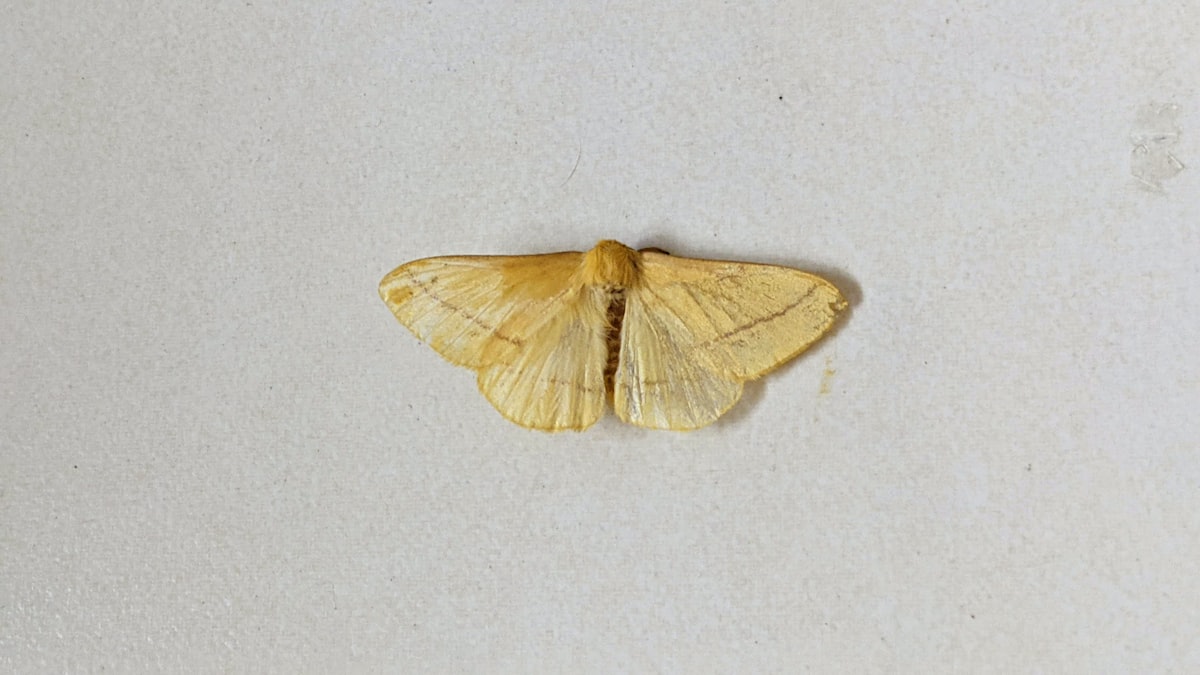
Clothes moths are small, about half an inch across, with a golden or buff-colored, fairly plain appearance. They avoid light and are rarely seen flying in open rooms during the day, preferring dark closets and storage areas instead. Clothes moths feed on natural fibers, especially wool, silk, fur, feathers, and sometimes cotton blends, particularly if the fabric has traces of food, sweat, or oil on it.
How to tell clothes moths from pantry moths
Pantry moths, also called Indian meal moths, are slightly larger and easier to spot, with distinctive reddish-brown or bronze coloring on the outer half of their wings and a lighter, grayish color near the body. Unlike clothes moths, pantry moths are commonly seen flying in kitchens, especially near cabinets, in the evening. They feed on dry goods such as flour, cereal, rice, pet food, birdseed, and nuts.
Closet moths vs kitchen moths
- Location: clothes moths favor closets and fabric storage; pantry moths favor kitchens and pantries
- Appearance: clothes moths are plain golden-tan; pantry moths have two-toned, reddish-brown wing tips
- Damage: clothes moths leave irregular holes in fabric; pantry moths contaminate dry food with webbing and larvae
- Behavior: clothes moths avoid light and hide; pantry moths are more often seen flying at dusk
Signs of a clothes moth problem
- Small, irregular holes in wool sweaters, coats, or rugs
- Silky webbing or case-like larval tubes on fabric
- Shed larval skins in corners of closets or drawers
- Damage concentrated on natural fiber items, while synthetic fabrics are untouched
Signs of a pantry moth problem
- Small moths flying near kitchen cabinets, especially at night
- Fine webbing inside boxes of flour, cereal, or pasta
- Clumped or webbed-together food particles
- Larvae crawling on pantry shelves or ceiling corners near the kitchen
Treating clothes moths
- Wash or dry-clean all natural fiber clothing before long-term storage
- Store vulnerable items in sealed plastic bins rather than cardboard boxes
- Use cedar blocks or sachets as a deterrent, though not a total solution
- Vacuum closets, baseboards, and rug edges thoroughly and often
Treating pantry moths
- Discard any opened food packages showing webbing or larvae
- Transfer dry goods to sealed glass or hard plastic containers
- Wipe down pantry shelves and check corners and cracks for larvae or eggs
- Check unopened packages carefully, since infestations sometimes arrive already inside sealed boxes
Why both types are easy to misidentify at first
Homeowners often assume any small moth flying near a closet must be a clothes moth, or any moth near the kitchen must be a pantry moth, but both species can wander into unexpected rooms, especially in smaller homes or apartments. The most reliable way to confirm which one you are dealing with is to trace the source of the damage rather than relying only on where you happened to spot the moth flying. Check stored wool items for holes and webbing, and separately check pantry goods for clumping or larvae, since finding damage in one area but not the other is usually the clearest sign of which pest you actually have.
Using pheromone traps to monitor activity
Pheromone traps, small sticky cards baited with a scent that attracts male moths of a specific species, are a useful tool for figuring out whether clothes moths vs. pantry moths are the bigger issue in your home. Clothes moth traps are typically placed in closets and near fabric storage, while pantry moth traps go in or near kitchen cabinets. Catching several moths in one trap type but few or none in the other confirms which species is active and helps you decide where to focus cleaning and treatment efforts.
Frequently asked questions
**Can clothes moths infest synthetic fabrics like polyester?** Generally no. Clothes moths need natural fibers such as wool, silk, or fur to complete their life cycle, though they may occasionally damage blended fabrics that contain enough natural fiber content or food and sweat residue to attract them.
**How long does a pantry moth infestation usually take to clear up?** With thorough cleaning, sealed storage, and discarding infested goods, most pantry moth problems resolve within a few weeks, though occasional stragglers from eggs laid before cleanup can continue to appear for a short time afterward.
Preventing reinfestation after cleanup
Clearing out an active infestation is only half the job, since both clothes moths and pantry moths can return if the underlying habits that let them in stay the same. For clothes moths, this means committing to cleaning items before storage every time, not just after the first infestation is discovered. For pantry moths, it means checking new grocery purchases before placing them directly into a cabinet next to other dry goods, since a single contaminated bag can restart the entire problem within a matter of weeks even after a thorough initial cleanup.
Why timing of purchases matters for pantry moths
Buying dry goods like flour, rice, and grains in smaller quantities and using them up more quickly reduces the window of opportunity for pantry moth eggs, which may already be present in trace amounts from the manufacturing or storage process, to develop into a noticeable infestation. Large bulk purchases stored for many months give any existing eggs far more time to hatch and multiply before you would ever notice a problem, so rotating stock and using older packages first is a simple, often overlooked prevention habit.
When to call a professional
If clothes moths keep damaging stored fabric despite cleaning and sealed storage, or pantry moths keep reappearing after you have discarded and replaced infested food, a pest control technician can identify the specific species and source, then apply a treatment matched to whether you are dealing with clothes moths vs. pantry moths, since the wrong approach on either one rarely solves the problem long term.
The bottom line
Clothes moths and pantry moths look similar in flight but live in completely different places, and treating the wrong one wastes weeks. Clothes moths damage wool, cashmere, silk, felt, and animal fibers in closets, drawers, and stored garments. Pantry moths infest flour, cereal, rice, nuts, dried fruit, birdseed, and pet food in the kitchen. Find the source, discard or clean what is infested, vacuum every crack in the closet or cabinet, and switch to sealed containers or garment bags. Pheromone traps for the correct species tell you whether the population is actually declining. Spraying alone never solves either one, because the larvae doing the damage stay hidden inside the material they are eating.
Related clothes moths vs pantry moths resources
If you are dealing with clothes moths vs pantry moths, these pages go deeper: